
Managing Difficult and Challenging Behaviour: Strategies for Phone and Email Communication
A half-day training course to help you deal with challenging communication from service users
Introduction
Managing difficult and challenging behaviour is an essential skill for anyone working in a customer‑facing, regulatory, advisory, or support‑based role—especially when communication happens by phone or email, where emotional cues can be harder to recognise. This practical and highly interactive course equips participants with the tools to understand why challenging behaviour occurs, recognise early signs of escalation, and apply effective communication strategies that create calmer, more constructive conversations. Combining real‑world scenarios, proven de‑escalation techniques and clear, empathetic communication methods, the programme helps staff build confidence, maintain professionalism, and achieve better outcomes in even the most demanding interactions.
Content
1.
Understanding
Challenging Behaviour
Challenging behaviour in communication often arises when a person feels unheard, misunderstood, or overwhelmed, leading to frustration that may be expressed through withdrawal, refusal, or heightened emotional responses.
10 common causes of difficult
and challenging behaviour
Understanding the behaviour
cycle
2. Effective
Communication: Phone
It’s important to listen and respond to a caller’s emotions, while also using the Broken Record technique when they’re not taking in information, to keep the conversation calm, clear, and on track.
How to recognise emotional cues in phone conversations
Common emotions and how they sound
How to respond when
you recognise an emotion
Using the Broken Record
technique
3.
Effective
Communication: Email
Challenging behaviour in emails often shows up as persistent, forceful, or emotionally charged messages when someone feels frustrated or isn’t receiving the response they expect.
Core principles for writing clear, concise, empathetic
emails
Email writing structure
10 rules of
professional email etiquette
Duration
Location
WINNER OF STAFF DEVELOPMENT COMPANY OF THE YEAR (SCOTLAND) AT THE 2025 CORPORATELIVEWIRE INNOVATION AND EXCELLENCE AWARDS
Half day
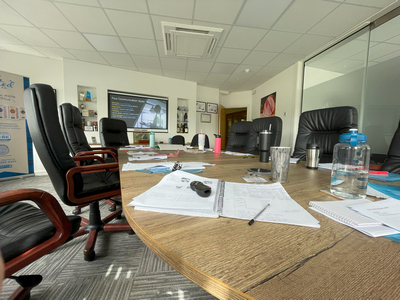
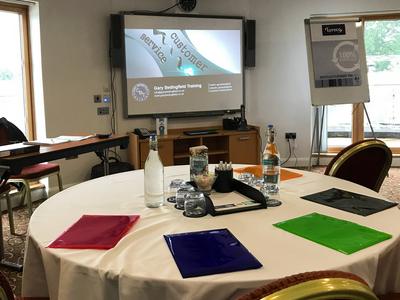
Delivered at your premises (delivery facilities can be
provided at an additional cost)
Cost
from £450 per group
Delivering dynamic and effective training to deal with challenging behaviour.